Followers


Sunday, November 30, 2008

Obesity Help


(Overweight, Weight control)
A person gains weight if he eats more what his body uses, has a little physical activity, or has a low basal metabolic rate resulting in too much body fat. Obesity, which usually runs in families, leads to many health problems and shortens life expectancy. Read more
symptoms; complications; causes; what you can do; what your doctors can do for you; and prevention tips...

Tuesday, November 25, 2008

Amebiasis / Amoebiasis Help

Amebiasis refers to the presence of parasite in the large intestines. This parasitic infection may occur in any age group. The parasite may be present without the affected person experiencing any signs and symptoms of the disease, but person is liable to infect others. If there is sufficient numbers of parasites and enough damage has been done to the lining of the intestine, then the disease usually shows up as an amebic dysentery. Read more... Symptoms... Common causes...What you can do... What your doctor can do for you... Prevention Tips... Read more...

Truth about Mumps

Mumps is a highly infectious viral infection characterized by swelling of one or both parotid (salivary gland) glands. The disease can be quite painful, particularly inside the angle of the jaw, where parotid glands are. Mumps is more common on or in childhood. The disease is rarely serious, but it can bring distress to some adolescent and adult males whose testicles get inflamed. Once infected, person become immune for life. Read more... Symptoms... Common causes...What you can do... What your doctor can do for you... Prevention Tips... Read more...

Basic First Aid Tips

Here are things that you should do in case of an emergency...
1. Check on the following when you approach a seriously injured person:

* AIRWAY - check the victim's air way is not blocked by the tongue, secretions or foreign body

* BREATHING - check if the victim is breathing. If not, administer artificial respiration.

* CIRCULATION - check if the victim has a pulse, if none, administer cardio-pulmonary resuscitation (CPR). Read more...

Dehydration Facts and Treatment Tips

Dehydration is loss of body water or fluids. Normally, the water depletion is signaled by thirst and is replenished by drinking. If the water lost is not replaced within a few days severe dehydration develops, which is considered a medical emergency. Read more... Symptoms... Common causes...What you can do... What your doctor can do for you... Prevention Tips... Read more...

Muscle Cramps Facts

A cramp is uncontrollable contraction of muscle that makes it hard and tense, and painful. It usually affects the limbs but it can also occur in the abdominal muscles e.g. when swimmer immerse in cold water. Cramps are more likely to occur in the elderly, during pregnancy and when there is dehydration. Read more... Symptoms... Common causes...What you can do... What your doctor can do for you... Prevention Tips... Read more...

Constipation

The frequency of moving stool varies from individual, ranging from three time a day to twice a week. Constipation happens when this function is unduly delayed from normal pattern. Occasional constipation is not serious but long standing disruption of his pattern, and changes in the appearance and consistency of the stool maybe sign of more serious disorder ( e.g. intestinal cancer, hypothyroidism). Read more... Symptoms... Common causes...What you can do... What your doctor can do for you... Prevention Tips... Read more...

HEARTBURN

Heartburn is classified as a digestive disorder. The disorder gets its name from burning sensation behind the breastbone that occurs when acidic stomach juices wash up into the gullet(esophagus). In some cases, pain is so intense thats it is mistaken for a heart attack. However if the pain is severe and the person has no history of heartburn or heart disease, it is best to play safe and get medical attention immediately.

Symptoms

* Burning sensation in the upper abdomen that moves up into the middle of the chest behind the breastbone and sometimes travels up to the throat. The discomfort usually worsen when lying down or bending forward.
* Belching.
* Bitter or sour taste in the mouth.
* Attacks of stridor (noisy, high pitched breathing sound caused by abnormal narrowing of the larynx or trachea) or choking sensation while asleep.
* Discolored teeth.
* Chronic cough.

Common causes
Acidic digestive juices that are regurgitated (wash back) into esophagus due to:
* Overeating, bad eating habits like hurried eating, not chewing food well, eating high fat or spicy food and chocolates.
* Smoking.
* Alcoholic and fizzy drinks, coffee, tea.
* Emotional stress.
* Certain medicines.
* Tight clothing around abdomen.
* Lying down, bending over, lifting heavy things, and squatting after eating.
* Weakened muscle controlling the opening at the lower end of esophagus.
* Hiatus hernia, in which part of the stomach juts into the chest cavity.
* Pregnancy.

What you can do
* Take antacids.
* Improve eating habits.
* Minimize intake of fatty food, spices, chocolates, alcoholic and fizzy drinks, coffee and tea.
* Reduce weight.
* Quit smoking.
* Avoid tight clothes that squeezes abdomen.
* Avoid stress.
* Avoid medicines that cause heartburn.
* Do not lie down, bent over, squat, or lift heavy things immediately after eating.
* Elevate your upper body when sleeping.
* Consult your doctor if the cases is getting severe.

What your doctor can do for you
* Determine the cause of the symptoms and rule out more serious causes.
* Prescribe stronger antacids or other medications.
* Take X-rays or arrange for endoscopy to check for hiatus hernia, if necessary.

Prevention tips
* Take small meals, eat slowly, and chew your food well.
* Eat a balanced diet with a low fat content.
* Maintain a healthy weight.
* Minimize your intake of alcohol and other fizzy drink, coffee and tea.
* Do not smoke.
* Avoid tight clothes.
* Avoid stress.
* Do not lie down, bend over, squat, or lift heavy things immediately after eating.

These what you can do to fight heartburn!!!

Monday, November 24, 2008

Breast Abscess


Brest abscess is a collection f pus in the breast of a woman who is lactating (producing milk). It can develop if acute mastitis ( inflammation of breast tissue, usually due to infection) is not treated promptly. Breast abscess can sometimes occur in women who are not lactating.

Symptoms
* Pain in the affected breast.
* Redness, swelling, and tenderness in an area of the breast.
* Fever and chills.

Causes
* Bacteria infection of breast tissue or a milk duct. Germs can enter the breast through the nipple when breastfeeding, or through cracks in the nipple or areola ( the dark area surrounding the nipple).

What you can do
* Consult a doctor at the first sign of breast abscess.
* Do not stop breastfeeding but give the unaffected breast first.
* Take simple pain killers.

What your doctor can do for you
* prescribe antibiotics, if the abscess is small.
* Perform minor surgery to drain out the pus, if the abscess is big.

Prevention tips
* Keep the breast clean by washing them daily with mild soap and water. Wipe off dried secretions and dry the breast thoroughly with a clean towel.
* Do not allow the breast to be engorged through breastfeeding. Be sure to empty the breast frequently.

Now you know how to deal with breast abscess.

Amenorrhea

( Absent periods, No periods)
Menstruation first occurs when girl reaches puberty from ages 9 to 16. The menstrual cycle is interrupted during pregnancy and breastfeeding, and stops after menopause or hysterectomy ( surgical removal of uterus). Absent periods are abnormal and will affect fertility. However, for some women, normal duration between menstrual periods may be more than 30 days.

Symptoms
* Menstrual periods never start.
* Interrupted periods, menstrual periods abruptly stops after previous regular periods.

Complications
* Inability to get pregnant.

Common causes
Primary amenorrhea ( no periods, menstrual periods never start):
* Delayed puberty
- Heredity factors
- Hormonal disorder
- Missing female sex chromosome, in rare cases.
* Congenital defects ( no uterus, or vagina from birth, imperforate hymen ).
* Severe illness in childhood.
Secondary amenorrhea ( interrupted periods ):
* After stopping oral contraceptive pills.
* Emotional stress ( anorexia, nervosa, depression).
* Strenuous physical activity.
* Hormonal disorders.
* Severe weight loss, starvation.
* Obesity.
* Disorder of the reproductive organs (e.g., tumors).
* Disease ( e.g., diabetic, chronic kidney disease).
* Certain medicines.

What you can do
* Consult a doctor if you have never menstruated by age 16 or have suddenly stopped menstruating for no reason.

What you doctor can do for you
* Rule out pregnancy.
* Determine the cause and treat it.
* Refer you to a psychiatrist or psychologist for therapy, if the cause is emotional or psycholgical in origin.

Sunday, November 23, 2008

Lactose Intolerance Help and Information

Lactose intolerance or milk intolerance.
Lactose is a form of sugar found in milk and milk products. Lactose intolerance occurs in some people who suffer digestive symptoms if they take milk or milk products. The condition is more common in Asians, which may explain why some Asian children have an aversion to drinking milk.

Symptoms
* Abdominal discomfort/ colicky pain ( pain that comes and goes in waves).
* Abdominal distension/ flatulence/wind (due to excessive gas in the bowels).
* Diarrhea, in some cases.

Causes
* Lack of the enzyme lactase (click here for more info about lactase) in, which is require to digest lactose. When undigested lactose passes into the large bowel, it is fermented by bacteria there to produce large amounts of gas and acids, which produce the symptoms.

What you can do
Depending on the severity of your intolerance, either avoid milk or milk products completely or take in a small amounts. People have varying degrees of lactose intolerance. You can increase your level of tolerance by gradually increasing your intake. However, it is unlikely that you will be able to completely tolerate milk in large amounts.
*Increase your tolerance of lactose by starting with tiny amounts of milk/ milk products and gradually increasing intake over months/ years.
* Use lactase capsules or low lactose milk products e.g., yogurt.

So now if you were having problems about lactose, you know what to do!

Friday, November 21, 2008

Meningitis

Meningitis is the inflammation of the membranes surround the brain and the spinal cord. It is due to a variety of pathogens e.g. viruses, bacteria and fungus It must be treated as an emergency as mortality may be high. If diagnosed and treated promptly, a full recovery can be expected.

Symptoms
Initially:
* Severe headache.
* High fever.
* Stiffness of the neck and back muscles.
Later:
* Delirium.
* Photophobia, which is abnormal sensitivity or intolerance to light.
* Convulsions.
* Coma.

Complications
Permanent neurological complications like impaired hearing, is occasionally associated with pneumococcal miningitis.

Common causes
* Germs such as the meningococcus and pneumococcus, the influenza virus, and the tubercle bacillus, enter the cerebrospinal fluid via bloodstream. The meninges become swollen and expert pressure on the brain and spinal cord.

What can you do
* See a doctor or go to the emergency room of the nearest hospital at once.

What your doctor can do for you
* Admit you at the hospital.
* Do a thorough physical examination.
* Perform a lumbar puncture to obtain cerebrospinal fluid for laboratory examination.
* Treat with intravenous antibiotics.

Now you know!

Friday, November 7, 2008

Varicose Veins


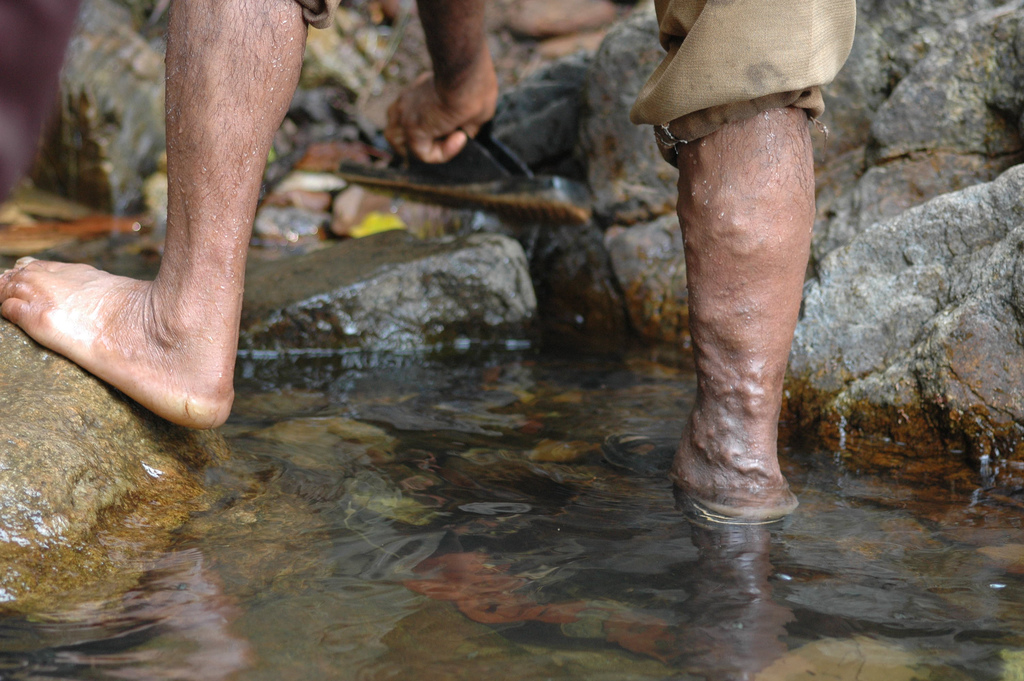
Superficial veins that are twisted and swollen are called varicose veins. The condition although not serious, may lead to complications, e.g. bleeding, hyperpigmentation ( dark-brown discoloration) of legs, eczema ( itchy skin ), thrombophlebitis ( painful inflammation of veins) and leg ulcers. Varicose veins are more common in woman than man.

Symptoms
* Bluish enlarge veins just benath the skin that are prominent and twisted.
* Pain in affected area, specially when standing fr long periods. The pain which worsen during the day, can be relieved only by sitting down and raising the legs.
* Itch in affected area.
* Tenderness to touch.
* Swollen ankles and feet.
* Feeling of heaviness in the legs.

Complications
* Eczema.
* Skin ulcers.
* Severe bleeding of the veins when injured.
* Thrombophlebitis

Common causes
* Absent, damaged, or inherited defective vein valves which are unable to to keep blood from flowing back into the legs. The veins thus fill up with blood and distend.
* Prolonged standing.
* Obesity.
* Pressure on lower body veins due to straining at stool, lifting heavy weights, pregnancy.

What can you do
* Take a periodic test with legs raised.
* Move your legs or wiggle your toes frequently if you have to sit or stand for long periods.
* Wear support hose, but do not wear girdles or tight pantyhose.
* Do regular exercise, walk a lot.
* If over weight, reduce weight.
* Do not lift heavy weights.
* Consult a doctor if complications develop r you want to improve the appearance of your legs.

What your doctor can do for you
* Prescribe anti-itch lotion cream.
* Perform sclerotherapy ( inject a solution that will cause the enlarged veins collapse) to prevent the back passage of blood.
* Perform surgery to remove the varicose veins ( striping).
* Treat the complications.

Prevention Tips
* Avoid standing or sitting for long time or periods. If you cannot avoid it, move your legs, wiggle your toes, or stand up and move around from time to time. Prop your legs whe you get home.
* Exercise regularly; walk a lot.
* Maintain a healthy weight.
* Avoid wearing girdles and tight pantyhose.

Thursday, November 6, 2008

Worm Infestation


Infestation of Hookworm, Pinworm, Threadworms, Tapeworm, Whipworm...
Any of the several types of worms may live in human body as parasites ( infestation), sometimes causing from mild to severe illness. This worms which infest the blood, intestines, or organs ( e.g. lungs, liver) . The sizes of the worms range from microscopic to about one meter.

Symptoms
* None, in mild infestation.
* Tiredness.
* Malaise.
* Nausea, vomiting.
* Weight loss.
* Irregular vowel movement, diarrhea.
* Abnormal pain or distension.
* In hookworm infestation, itchy rash on the feet.
* In whipworm infestation, part of the rectum from the anus, with whipwoms on it.
* In schistosomiasis, fluke like symptoms.
* In filariasis, swelling of the legs due to blockage of lymph vessels by the worms.
* In pinworm infestation, itch around the anus.

Complications
* Anemia, in severe cases.
* Intestinal blockage.
* Damage to other organs.
* Blindness, in onchocerciasis.

Common causes
* Eating contaminated food, whether cooked or fresh. Infestation may occur when the food is uncooked, or even properly cooked when the food is handled by conaminated hands, fingers or utensils.
* Raw foods.
* Penetration of the skin of the feet.

What can you do
* Take anthelmintic ( Anti-Worm drugs).
* Do not scratch the anus.
* Consult a doctor if you suspect worm infestation or there is abdominal pain or swelling.

What your doctor can do for you
* Determine the type of worm infestation.
* Prescribe anthelmintics ( anti-worm drugs)
* Treat the complications.

Prevention Tips
* Cook your food well.
* Avoid unhygienic places and areas with poor sanitation.
* Wash fruit and vegetables thoroughly. Peel fruit just before eating it. Avoid raw salads not prepared at home.
* Thoroughly wash your hands with soap and clean water after using toilet and before preparing foods to eat.
* Wash hands before eating.
* Wear shoes out doors.
* Wash your hands as often as possible.

Vertigo ( Giddiness )

Vertigo is the feeling that the room is spinning. The disorder can affect anybody, but is usually harmless. However, when accompanied with other symptoms, vertigo may be a sign of underlying disorders.

Symptoms
* Illusion of spinning, which usually occurs when lying down, getting u, r turning the head quickly.
* Loss of balance.
* Nausea, vomiting.
* Ringing in the ears.
* Jerky eye movements.

Common Causes
* Viral illness ( e.g. common cold, flu).
* Decreased blood flow to the part of the brain that controls balance ( e.g. narrow arteries that get twisted due to quick head movement).
* Head injury.
* Transient stroke.
* Certain medicines, alcohol.
* Migraine.
* Meniere's disease ( increased fluid in inner ear), in rare cases.
* Brain tumor, in rare cases.

What can you do
* Consult a doctor.
* Avoid movement, positions, or substances that bring on vertigo.

What your doctor can do for you
* Determine the cause of vertigo and treat it.
* Prescribe appropriate medicines.
* Recommend a neck collar if vertigo is brought on by turning the head.

Achilles Tendinitis

Achilles Tendinitis is usually a Sport related Injury.
Achilles tendon is the point of insertion of calf muscle to the heel. Its main function is fr plantar flexion of the feet, such as pushing off during running. The tendon can become inflamed as a result of repeated stress, or in some medical condition such as gout. Although a relatively common condition among runners, it can also occur among people engaged in other sports such as high jumping and gymnastics.

Symptoms
* Warm, tender and swollen tendon at the back of the heel.
* Plain, worsening when ankle bends upwards.
* Tightness of the Achilles tendon resulting in a "toe-touch" gait( inability to stand on tiptoe with the affected foot).

Causes
* Inflammation of the tendon as result of excessive stress or deposition of uric acid in gouty arthritis.

- What you can do
* Rest the affected ankle in an elevated position.
* Ice compress may help ease the pain.
* Avoid bearing weight on the affected foot for days to weeks depending on severity.
* Use crutches to help relieve stress on the affected joint. As symptoms resolve, normal activities may be resumed gradually.
* Add heel pads to both hoes to help reduce tension on the tendon.
* See your doctor for proper advice

Prevention tips
* Proper and adequate stretching and strengthening exercises prior to any sports. The "push wall" method particularly useful in this aspect as it really stretches the Achilles tendon.
* Gradual increase in intensity and duration and training for all sportsmen.
* Allow adequate recovery time before the next game. This is to allow the tissue sufficient time to repair as there is a lot of tendons after each exercise session.
* Avoid high protein and alcohol intake for those susceptible to gout.
* Consult a doctor persistent pain over heels after high impact exercise or activity...

Other images and information:
http://en.wikipedia.org/wiki/Image:Ankle.PNG
http://en.wikipedia.org/wiki/Achilles_tendinitis
http://en.wikipedia.org/wiki/Achilles_tendon